
By Eric Olanrewaju, AI Bee Reel Staff
August 28, 2026
MOUNTAIN VIEW, Calif. — Google has officially rolled out native Pokémon Sleep integration for its new Fitbit Air lineup. The update monitors real-time heart rates, oxygen levels, and bed movement to award rare digital creatures to sound sleepers while punishing restless users with swamp creatures.
AI Bee Reel sat down with Thiago Alencar, Lead Biometric Engagement Strategist at Google Wearables, to discuss the psychological impact of nocturnal high-stakes gaming.
AI Bee Reel: Why did the hardware team decide to bring sleep gamification directly to the user’s wrist instead of leaving the phone on the nightstand?
Thiago Alencar: “The nightstand was too forgiving. People were setting their phones down, walking into the kitchen for a midnight snack, and collecting a legendary Snorlax by accident. That breaks the economy. The new wrist sensors track micro-twitches and respiratory dips. If your heart rate spikes because of a bad dream about quarterly earnings, the system knows immediately. You do not deserve a Dragonite if your subconscious is stressed about spreadsheets.”
ABR: We have received reports of married couples sleeping in separate guest rooms to avoid ruining each other’s biometric streaks. Is that an intended feature?
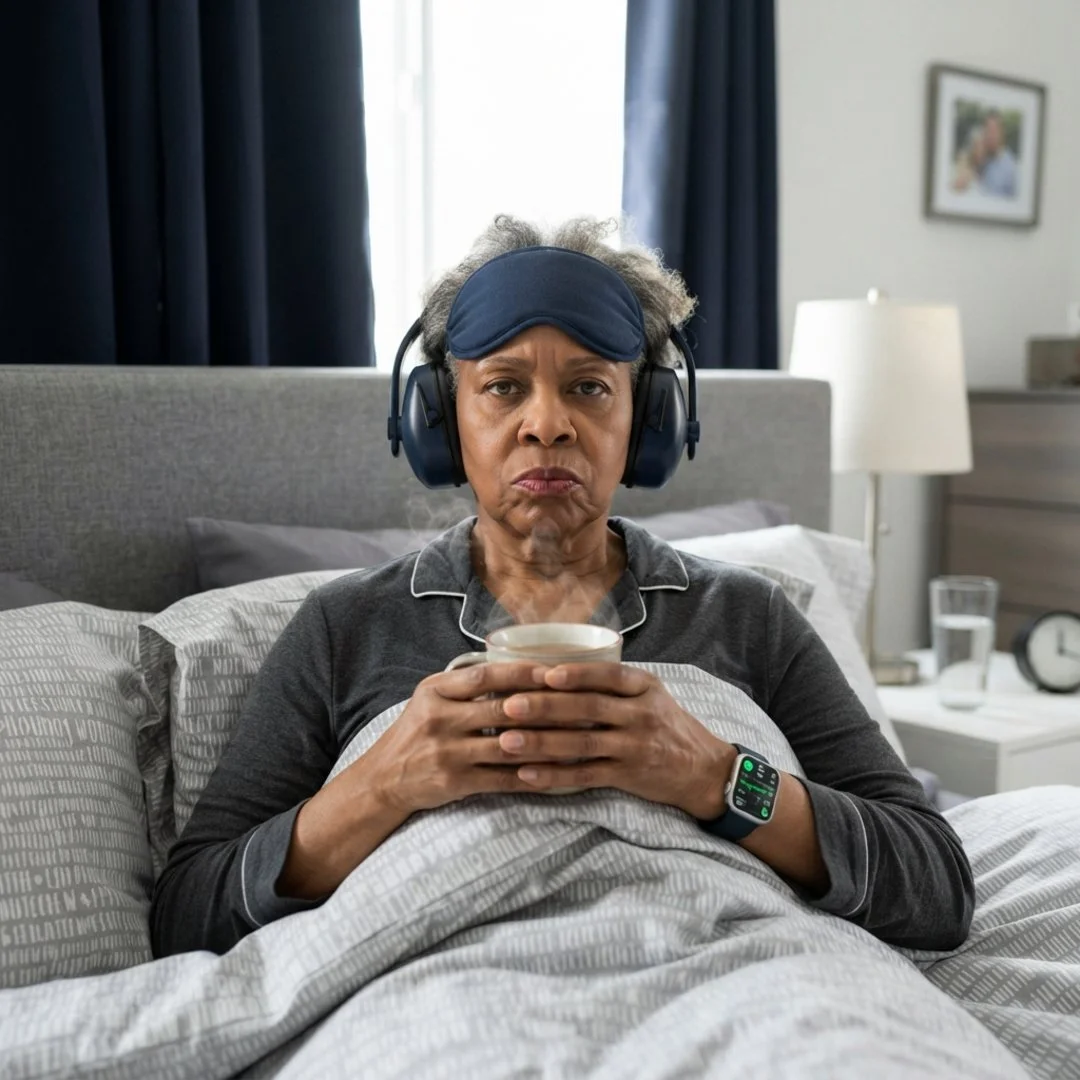
Alencar: “High-tier sleep optimization requires sacrifice. My spouse rolled over and coughed at 3:15 AM, and that single spasm downgraded our master bedroom to a poison-type habitat. I woke up surrounded by three digital Koffings because of someone else’s sinus infection. We now sleep in separate soundproof pods with weighted blankets and noise-canceling headgear. Our marriage is technically silent, but my Pokédex has never looked healthier.”
ABR: What advice do you have for users who suffer from chronic insomnia or acid reflux?
Alencar: “They need to lock in. We are seeing engineers drink three pints of chamomile concentrate and tape their arms to rigid bamboo splints so they do not toss and turn during REM cycles. If you get up at 2:00 AM to drink water, the Fitbit registers failure. A notification pops up on your wrist that simply says, ‘A wild Ratata is laughing at your circadian rhythm.’ It provides very clear negative reinforcement.”
ABR: Is there any concern that adding competitive stress to bedtime defeats the medical purpose of a health tracker?
Alencar: “Not at all. Nothing relaxes the human body faster than knowing a six-star Blastoise depends entirely on you staying completely paralyzed until your alarm goes off at 6:30 AM sharp. If you panic, your pulse goes up, and you get a Zubat. So people learn to suppress all emotion very quickly. It is very calming.”
Following the interview, Alencar checked his wrist, noticed his resting heart rate had climbed to 68 beats per minute during the conversation, and immediately laid flat on the conference room floor to begin four hours of mandatory remedial stillness.
Inspired by the real story: Google has partnered with The Pokémon Company to bring native Pokémon Sleep tracking directly to Fitbit smartwatches. Read the full story.
More Satire to Enjoy


Browse AI Humor by Topic
Enjoy this? Get it weekly.
5 AI stories, satirized first. Then the real news. Free every Tuesday.
From the AI Bee Reel team
Search Umbrella — Compare AI models side-by-side. See which one gets it right.